
Lawn guides
Preparing ground for turf
Good turf needs good ground beneath it. Most of a turfing job happens before the first roll is unrolled.
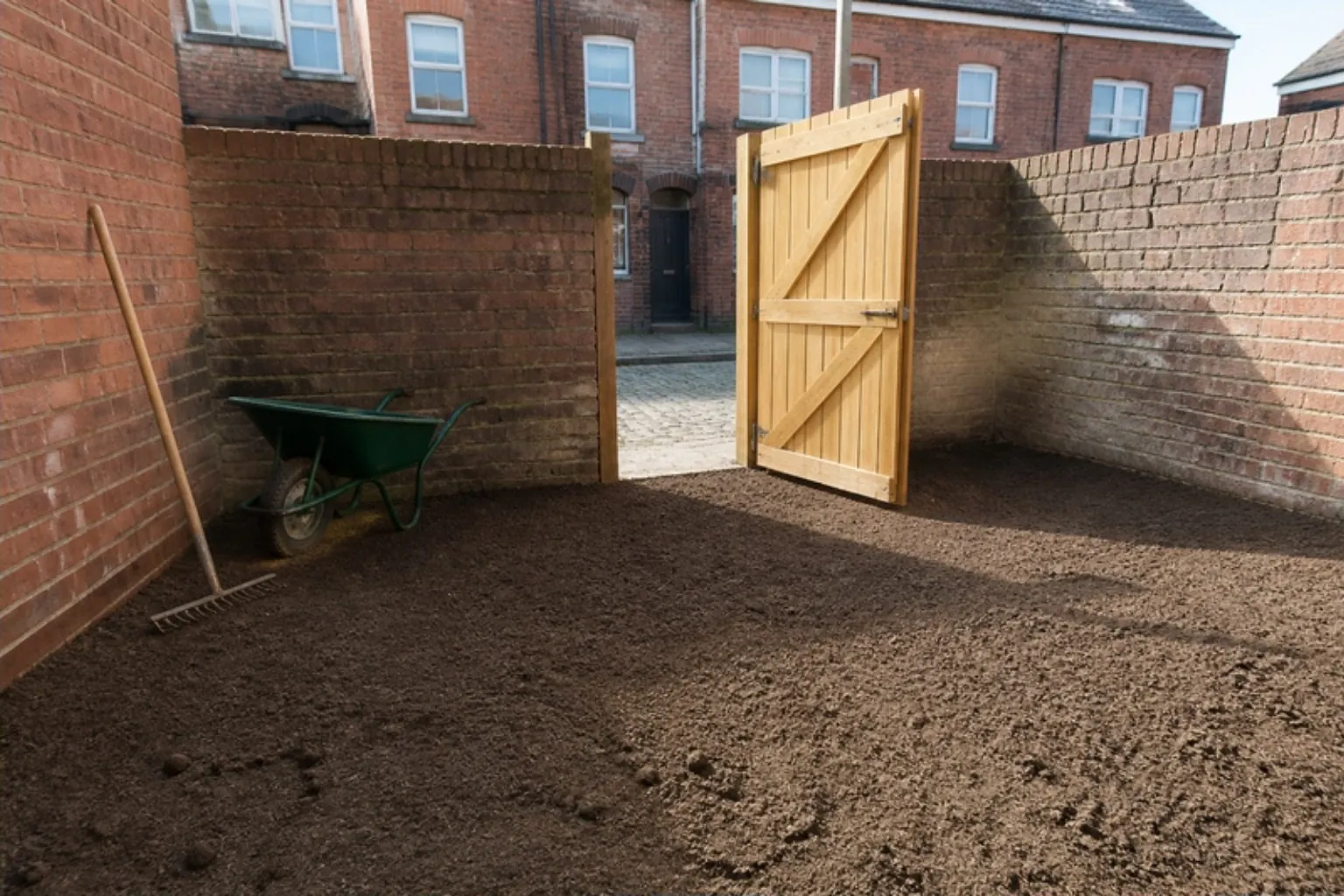
The steps, in order
Clear
Remove the old lawn, weeds, roots, large stones and any rubble.
Loosen
Break up compacted soil so water drains and roots can grow down.
Improve
Add topsoil where the soil is shallow, stony or heavy clay.
Level
Rake out bumps and fill hollows, with a gentle fall away from the house.
Firm
Tread the soil evenly so it won't sink later, then rake again.
Final rake
A fine, crumbly surface for the turf to bed into.
Newcastle clay
Much of Newcastle sits on heavy clay. It holds water in winter and sets hard in summer, which makes it tough for new roots. Breaking it up and adding a good layer of topsoil on top gives the turf a better place to grow.
Why firming matters
Loose soil settles unevenly. If turf goes down on fluffy ground, you'll find dips and soft spots within weeks. Treading the soil in, then raking, gives a surface that's firm underfoot but still loose enough on top for roots.
What not to do
Don't lay turf on top of an old lawn, and don't put a weed membrane underneath. Both stop roots reaching the soil.
More guides
Questions people ask
Do I need to prepare the ground before you arrive?
No. Preparation is part of what we do. Just clear away furniture, toys and pots.
Should I use weedkiller first?
There's no need. We remove weeds with the old lawn as part of the clearing.